
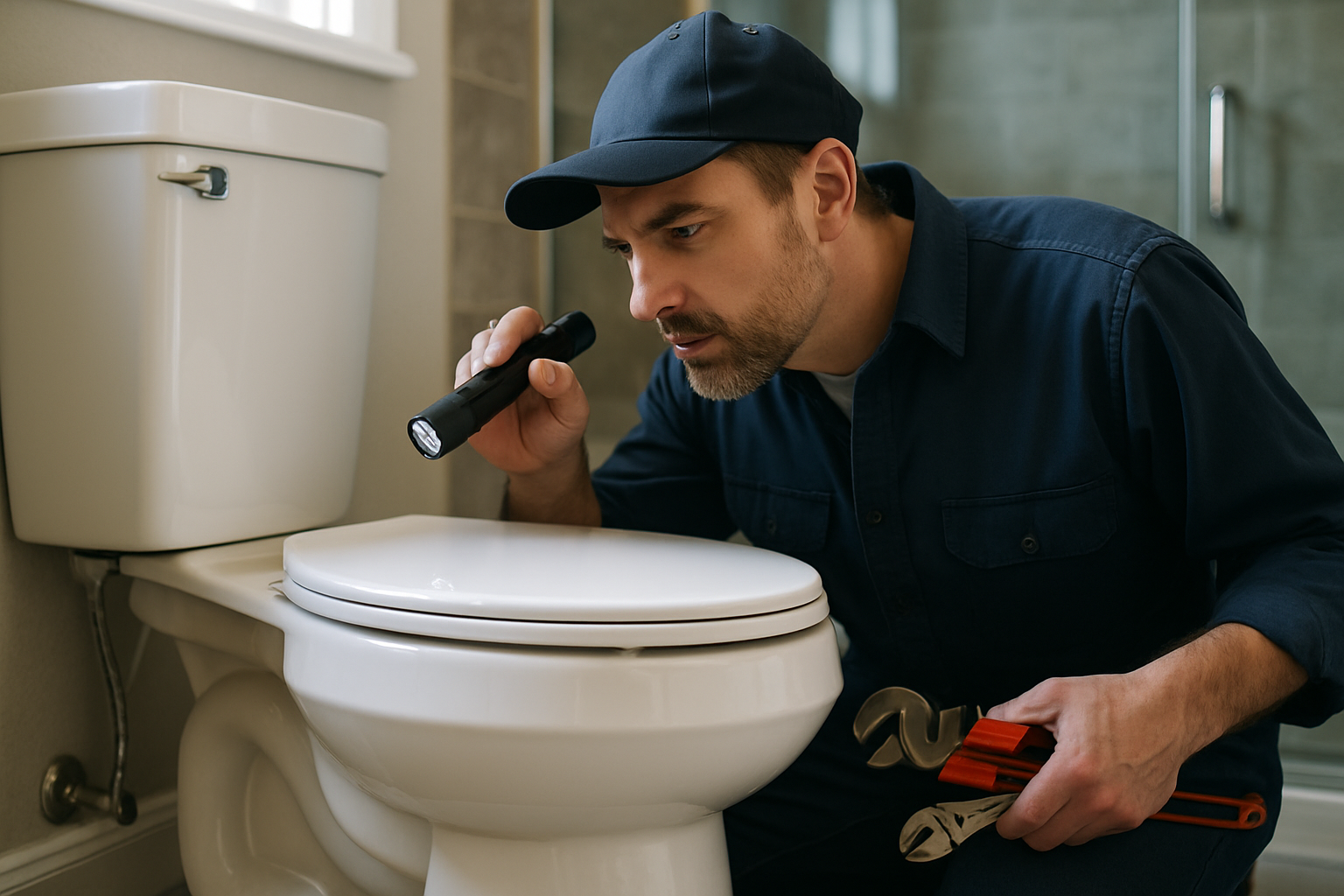
Bathroom Tile Repair — Bathroom Pros
Troubleshooting Guide

Bathroom Tile Repair Troubleshooting Guide — Bathroom Pros

Bathroom tile repair can often feel overwhelming, especially when you encounter cracks, chips, or loose tiles in your Brick Township, NJ home. These issues not only affect the aesthetics of your bathroom but can also lead to more significant problems if left unaddressed. At Bathroom Pros, we understand that timely and effective tile repair is essential to maintaining the integrity of your bathroom space. Our troubleshooting guide is designed to help homeowners identify common tile issues, understand possible causes, and explore DIY solutions before considering professional help. In Brick Township, the humid climate can contribute to problems such as mold growth behind tiles or deterioration of grout. Whether you're dealing with minor cosmetic issues or more serious structural concerns, it's important to know how to troubleshoot effectively. This guide will equip you with the necessary knowledge to assess your tile problems and determine the best course of action. With the right approach, you can restore the beauty and functionality of your bathroom tiles, ensuring a safe and inviting environment for you and your family.

By Bathroom Pros
8 min read
Expert-reviewed
Having an Emergency?
Don't wait — call us now for 24/7 emergency service in Brick Township, NJ.
(732) 724-1717
Symptoms & Causes

Identify the Problem

Match your symptoms to the most likely cause. Severity ratings help you decide how urgently to act.

Cracked tileshigh
Likely cause: Temperature fluctuations, Poor installation, Impact damage
DIY check: Use a tile repair kit to fill in cracks; replace severely damaged tiles.
Loose tileshigh
Likely cause: Moisture damage, Worn adhesive, Improper installation
DIY check: Reapply adhesive and press the tile back into place; use spacers if needed.
Chipped tilesmedium
Likely cause: Accidental impacts, Age of tiles, Low-quality materials
DIY check: Use a tile chip repair kit to fill the chip or replace the tile if necessary.
Discolored groutmedium
Likely cause: Mold growth, Dirt accumulation, Improper sealing
DIY check: Clean with a mixture of vinegar and baking soda; re-seal if needed.
Mold behind tileshigh
Likely cause: Water leaks, Poor ventilation, High humidity
DIY check: Remove affected tiles to clean mold; replace tiles and ensure proper sealing.
Uneven tile surfacemedium
Likely cause: Improper installation, Foundation settling, Moisture issues
DIY check: Check substrate for moisture; if stable, re-grout or replace uneven tiles.
What to Do Next

Step-by-Step Action Plan

Follow these steps before calling a technician — you may be able to resolve the issue yourself.

1

Identify the Problem

Start by inspecting your bathroom tiles for visible damage such as cracks or chips. Note any discoloration or loose tiles.

2

Assess the Severity

Determine how severe the damage is. High severity issues, like cracked or loose tiles, may require immediate attention to prevent further damage.

3

Research DIY Solutions

Look into possible DIY fixes for your specific tile issue. Many common problems can be resolved with a bit of effort and the right materials.

4

Gather Repair Materials

Purchase necessary materials, such as tile adhesive, grout, or repair kits. Ensure that they are suitable for your specific tile type.

5

Perform the Repair

Follow the instructions for your chosen DIY solution carefully. Make sure to allow adequate drying time before using the bathroom.

6

Monitor for Recurrence

After the repair, keep an eye on the affected area. If issues arise again, it may be time to consult a professional.

Pro Tip
Always turn off power to the unit at the breaker before inspecting any components. Safety first — even for simple checks.
When to Call a Professional

Don't DIY These Situations

Some repairs require a licensed technician for safety, code compliance, and warranty protection.

Professional Assessment Required

If the damage extends to the underlying structure or moisture barriers, professional assessment is crucial.

Professional Assessment Required

For extensive mold growth behind tiles that requires remediation and tile replacement.

Professional Assessment Required

If you lack the tools or materials for proper tile removal and reinstallation.

Professional Assessment Required

When the tiles are part of a larger renovation project that requires professional expertise.

Professional Assessment Required

For complex issues like foundation settling that affects tile alignment and integrity.

Common Questions
What should I do if I notice a crack in my bathroom tiles?
If you notice a crack in your bathroom tiles, it is important to assess the severity of the crack first. Small cracks can often be repaired using a tile repair kit, which typically includes epoxy or adhesive specifically designed for tiles. However, if the crack is large or if multiple tiles are affected, it may indicate a more serious issue with the substrate. In such cases, it’s advisable to consult a professional to evaluate the situation and provide the best course of action.
How can I tell if the grout needs to be replaced?
If your grout appears discolored, crumbling, or has gaps between the tiles, it may be time for a replacement. Grout can deteriorate over time, especially in high-moisture areas like bathrooms. You can test the grout by gently pressing on it; if it crumbles or comes away easily, it’s a sign that it needs to be replaced. Additionally, mold or mildew growth in the grout lines is a clear indication that the grout is no longer effective at sealing the joints.
Is it possible to replace just one tile?
Yes, replacing a single tile is often possible and can be a straightforward process if the surrounding tiles are stable and undamaged. First, you’ll need to carefully remove the damaged tile without affecting the adjacent tiles. This may involve chipping away grout and adhesive. Once the old tile is removed, clean the area thoroughly before applying new adhesive and placing the replacement tile. Make sure to allow adequate drying time before using the area again.
What are some common causes of loose tiles?
Loose tiles can result from several factors, including moisture damage, improper installation, or the age of the adhesive used during installation. In Brick Township, where humidity can be high, moisture accumulation can weaken the adhesive over time. If you find tiles loosening, it’s crucial to address the issue promptly to prevent further damage, as water can seep beneath the tiles and lead to mold growth or structural damage.
Related Services

We Can Fix It For You

Our licensed team serves Brick Township, NJ and surrounding areas — same-day service available.

Problem Solved — Or Need a Pro?

Our licensed team serves Brick Township, NJ and surrounding areas. Get a free diagnosis — no obligation.