
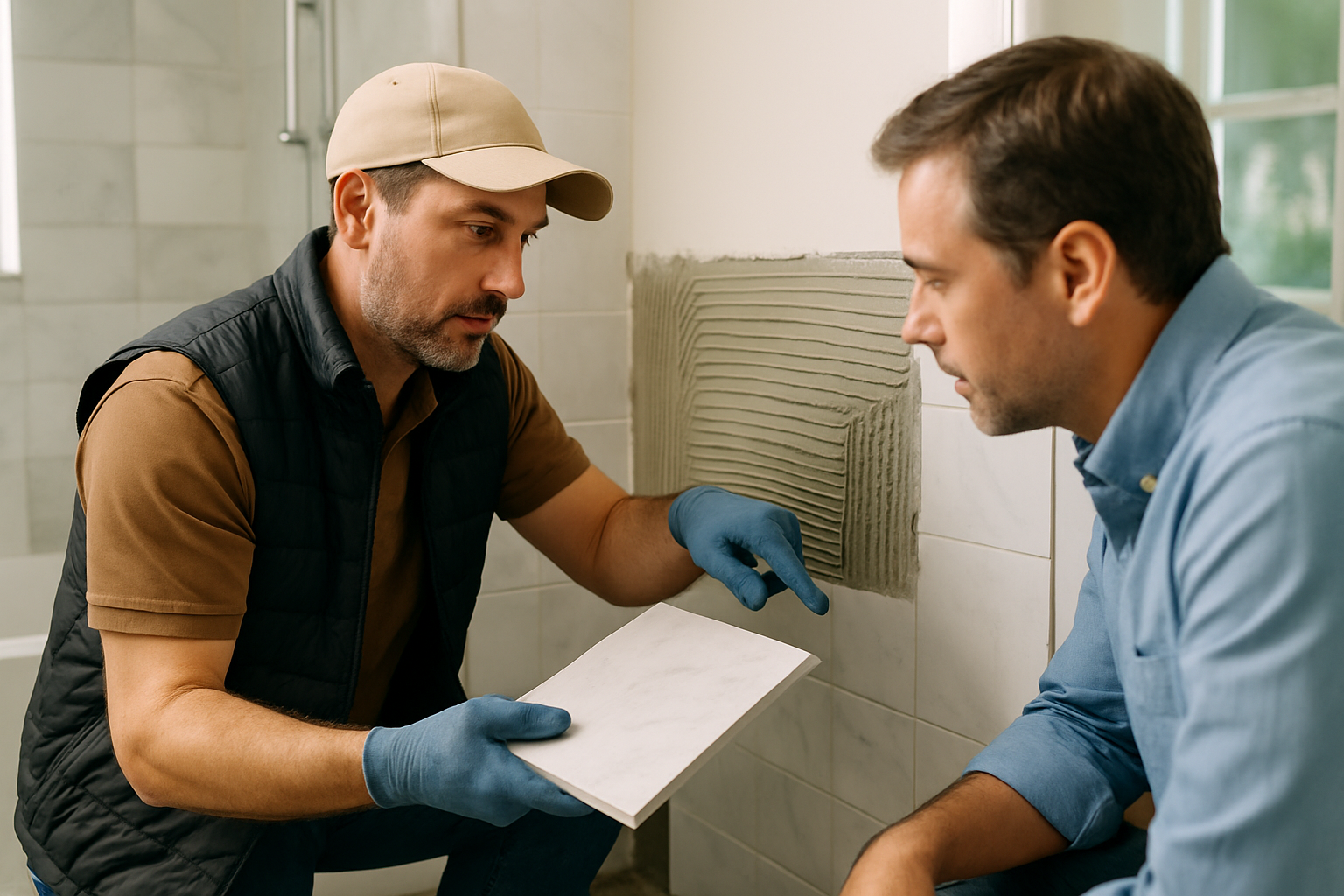
Bathroom Tile Repair How-To Guide — Bathroom Pros
Assess the Damage
Gather Tools and Materials
Remove Damaged Tiles
Prepare the Surface
Install New Tiles
Apply Grout
How It Works
Bathroom tile repair is a crucial service for homeowners in Brick Township, NJ who want to maintain the beauty and functionality of their bathrooms. Over time, tiles can crack, chip, or become loose due to various factors such as moisture, temperature changes, or poor installation. Ignoring these issues can lead to more severe problems, including water damage and mold growth. Our guide will help you understand the steps involved in repairing bathroom tiles effectively, ensuring your bathroom remains a safe and inviting space. At Bathroom Pros, we have extensive experience in tile repair and are committed to providing exceptional service to our clients. This how-to guide will outline the necessary steps for repairing bathroom tiles, from assessing the damage to completing the repair. Whether you are a DIY enthusiast or considering hiring a professional, this guide will equip you with the knowledge you need to make informed decisions about your bathroom tile repairs in Brick Township, NJ.
Assess the Damage
Begin by thoroughly inspecting the tiles in your bathroom. Look for cracks, chips, and loose tiles. It's important to determine the extent of the damage and whether it can be repaired or if replacement is necessary. Take notes and photographs to help guide your repair process.
Gather Tools and Materials
Before starting the repair, gather all necessary tools and materials. You will need tile adhesive, grout, a putty knife, a grout float, a utility knife, and a sponge. Ensure that you select the right color of grout to match your existing tiles for a seamless finish. Having everything ready will streamline the repair process.
Remove Damaged Tiles
Carefully remove any damaged tiles using a utility knife or putty knife. If the tile is stuck, you may need to use a chisel. Make sure to remove any adhesive remnants from the surface to ensure a proper bond with the new tiles or grout. This step requires patience to avoid damaging surrounding tiles.
Prepare the Surface
After removing the damaged tiles, clean the area thoroughly. Remove dust and debris, and make sure the surface is dry. If necessary, apply a primer to help the adhesive bond better. Properly preparing the surface is crucial for the longevity of the repair and to prevent future issues.
Install New Tiles
Apply tile adhesive to the back of the new tiles and press them firmly into place. Ensure that they are aligned with the surrounding tiles for a cohesive look. Use spacers to maintain even gaps for grout. Allow the adhesive to set as per the manufacturer's instructions before proceeding.
Apply Grout
Once the adhesive has cured, remove the spacers and mix the grout according to the package instructions. Using a grout float, apply the grout into the joints between the tiles, ensuring a complete fill. Wipe away excess grout with a damp sponge, being careful not to disturb the grout lines. Let the grout cure as directed.
Seal the Grout
After the grout has fully cured, apply a grout sealer to protect against moisture and stains. This step is essential in a bathroom environment where water exposure is frequent. Follow the manufacturer's instructions for application and drying times to ensure durability.
Final Inspection
Once everything is dry, conduct a final inspection of your tile repair. Check for any missed spots in the grout or adhesive. If everything looks good, clean the tiles with a gentle cleaner to remove any residue. Enjoy your newly repaired bathroom tiles!
What to Expect & When
We believe in full transparency. Here's a realistic timeline so you can plan accordingly.
Assessment and Preparation
1-2 daysThis phase involves the initial inspection of tiles, gathering tools, and preparing the workspace.
Tile Removal and Surface Prep
1-2 daysRemove damaged tiles and prepare the surface for installation, ensuring a clean and stable base.
Tile Installation and Grouting
1-2 daysInstall new tiles, apply grout, and allow sufficient time for curing to ensure a lasting repair.
Sealing and Final Touches
1 daySeal the grout and conduct a final inspection to ensure everything is properly finished and ready for use.
How to Prepare
- Clear the bathroom of all items and furniture to create a safe working space.
- Turn off water supplies to avoid any leaks during the repair process.
- Choose tiles and grout that match your existing bathroom decor for a seamless look.
- Consider the humidity level in your bathroom and select appropriate materials for moisture resistance.
- If you are unsure about any step, consult a professional to prevent costly mistakes.
Common Questions
Everything you need to know before we arrive.
How much does bathroom tile repair cost in Brick Township, NJ?
Can I repair bathroom tiles myself?
How long does it take to repair bathroom tiles?
What should I use to clean my bathroom tiles after repair?
Is it necessary to seal grout after tile repair?
Still have questions? We're happy to help.
Call (732) 724-1717Understanding Tile Types and Their Repair Needs
When it comes to bathroom tile repair, understanding the different types of tiles is essential. Ceramic, porcelain, and natural stone each have unique properties and vulnerabilities. Ceramic tiles are durable and water-resistant but can crack under impact. Porcelain tiles are denser and less porous but may chip if not handled carefully. Natural stone tiles, while beautiful, require more maintenance and can be more susceptible to stains. Knowing these differences will help in selecting the right repair materials and methods. Additionally, consider the pattern and layout of your tiles, as these factors will influence the repair process. It’s crucial to match not just the color but also the texture and finish to maintain consistency in your bathroom design.
Common Issues and Prevention Tips
Bathroom tiles can face several common issues, including cracks, chips, and discoloration. Cracks often result from temperature changes or heavy impacts, while chips may occur due to dropped objects. Discoloration can stem from mold, mildew, or the use of harsh cleaning chemicals. To prevent these problems, ensure that your bathroom is well-ventilated to avoid excess moisture buildup. Regularly inspect your tiles for any signs of damage and address small issues before they escalate. Using gentle, non-abrasive cleaners can also help maintain the appearance of your tiles. At Bathroom Pros, we recommend scheduling regular maintenance checks to prolong the life of your bathroom tiles and keep them looking their best.
Ready to Get Started with Bathroom Pros?
Our licensed technicians serve Brick Township and surrounding communities. Free estimates — no obligation.