
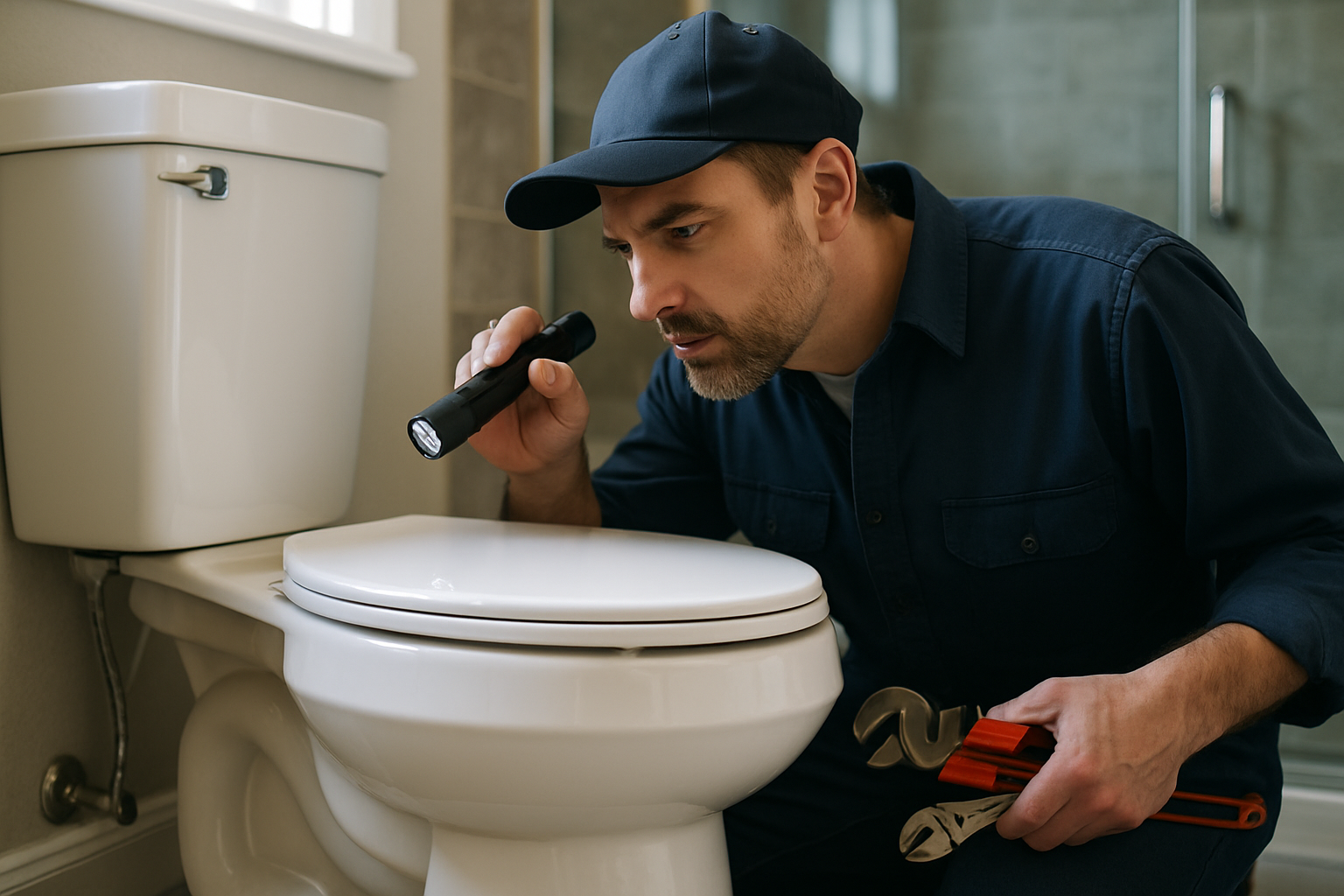
Bathroom Demolition Services — Bathroom Pros
Troubleshooting Guide

Bathroom Demolition Services Troubleshooting Guide — Bathroom Pros

Welcome to Bathroom Pros, your trusted partner for bathroom demolition services in Brick Township, NJ. Renovating a bathroom starts with effective demolition, which sets the stage for a successful remodel. However, homeowners often encounter challenges during the demolition phase, leading to potential delays and unexpected costs. This troubleshooting guide aims to help you identify common issues related to bathroom demolition and provide practical solutions. By understanding the intricacies involved, you can ensure a smoother transition into your new bathroom design. Demolition is not just about tearing down old fixtures; it involves careful planning and execution. From managing plumbing and electrical systems to safely disposing of debris, there are numerous factors to consider. At Bathroom Pros, we aim to empower you with knowledge so you can recognize problems early and know when to call in the pros. Whether you are facing issues with stubborn tiles, unexpected plumbing problems, or safety concerns, this guide will equip you with the information you need to troubleshoot effectively and keep your project on track.

By Bathroom Pros
8 min read
Expert-reviewed
Having an Emergency?
Don't wait — call us now for 24/7 emergency service in Brick Township, NJ.
(732) 724-1717
Symptoms & Causes

Identify the Problem

Match your symptoms to the most likely cause. Severity ratings help you decide how urgently to act.

Difficulty removing old tilesmedium
Likely cause: Improper adhesive used, Tiles poorly installed, Old age of materials
DIY check: Use a chisel and hammer to carefully pry up tiles, ensuring you wear safety goggles.
Unforeseen plumbing issueshigh
Likely cause: Old pipes corroded, Incorrectly capped pipes, Hidden leaks
DIY check: Inspect visible pipes for leaks and tighten fittings; if leaks persist, call a professional.
Debris disposal problemsmedium
Likely cause: Lack of a disposal plan, Local regulations on waste, Insufficient containers
DIY check: Research local disposal services and arrange for a dumpster before starting demolition.
Unexpected mold growthhigh
Likely cause: Hidden moisture, Poor ventilation, Water damage from leaks
DIY check: If mold is found, wear protective gear and treat with a mold removal solution; consult a professional for extensive growth.
Structural damage to wallshigh
Likely cause: Improper demolition techniques, Weak framing, Water damage prior to demolition
DIY check: Check for visible damage and contact a structural engineer for assessment.
Safety hazards during demolitionhigh
Likely cause: Inadequate protective gear, Unstable fixtures, Poor lighting
DIY check: Ensure all safety gear is worn and that work areas are well-lit before starting.
What to Do Next

Step-by-Step Action Plan

Follow these steps before calling a technician — you may be able to resolve the issue yourself.

1

Evaluate Your Space

Before starting demolition, assess your bathroom thoroughly. Identify fixtures that need removal and any potential hazards like plumbing or electrical lines.

2

Gather Necessary Tools

Ensure you have all needed tools, including a demo hammer, pry bar, safety goggles, and a dumpster for debris. This prepares you for a more efficient process.

3

Check for Hazardous Materials

Inspect for asbestos or lead paint in older homes. If suspected, contact a professional for safe removal before proceeding.

4

Start with Non-Load Bearing Structures

Begin demolition with non-load-bearing walls and fixtures like sinks and cabinets to minimize structural risks.

5

Dispose of Debris Properly

Organize a waste disposal plan according to local regulations. Ensure you separate recyclable materials from general waste.

Pro Tip
Always turn off power to the unit at the breaker before inspecting any components. Safety first — even for simple checks.
When to Call a Professional

Don't DIY These Situations

Some repairs require a licensed technician for safety, code compliance, and warranty protection.

Professional Assessment Required

Encountering significant plumbing issues that require expert handling to prevent future leaks.

Professional Assessment Required

Finding mold growth that exceeds safe DIY removal limits, necessitating professional remediation.

Professional Assessment Required

Discovering structural damage that may compromise the integrity of your home, requiring a structural engineer's assessment.

Professional Assessment Required

Handling hazardous materials like asbestos or lead paint that must be removed by certified professionals.

Professional Assessment Required

Needing to coordinate complex electrical work during the demolition that could pose safety risks.

Common Questions
How long does bathroom demolition take?
The duration of bathroom demolition can vary based on the size and complexity of the project. On average, a full demolition can take anywhere from one to three days. For larger bathrooms or those with extensive plumbing and electrical work, it may take longer. Planning ahead and working with professionals like Bathroom Pros can help streamline the process and minimize delays.
What should I do before demolition begins?
Before demolition starts, it is crucial to clear the bathroom of all personal items and fixtures. This includes removing towels, toiletries, and any furniture. Additionally, ensure that all utilities, such as water and electricity, are turned off to avoid accidents during the demolition phase. A thorough assessment of the area is also recommended to identify potential hazards or structural concerns.
Can I do the demolition myself?
While some homeowners choose to tackle demolition themselves, it is important to weigh the risks and challenges involved. DIY demolition can be cost-effective, but it often requires knowledge of plumbing and electrical systems, as well as safety precautions. If you encounter unexpected issues, it may be wise to contact professionals like Bathroom Pros to ensure the job is done safely and correctly.
What are the signs of water damage in a bathroom?
Signs of water damage in a bathroom may include discoloration on walls or ceilings, peeling paint, and mold growth. A musty odor may also indicate hidden leaks. If you notice any of these signs during demolition, it is essential to address them immediately to prevent further damage and ensure a successful renovation.
Related Services

We Can Fix It For You

Our licensed team serves Brick Township, NJ and surrounding areas — same-day service available.

Problem Solved — Or Need a Pro?

Our licensed team serves Brick Township, NJ and surrounding areas. Get a free diagnosis — no obligation.