
Waterproofing Services How-To Guide — Bathroom Pros
Initial Assessment
Surface Preparation
Application of Waterproofing Membrane
Sealing Joints and Fixtures
Drying and Curing Time
Final Inspection
How It Works
Waterproofing your bathroom is crucial for maintaining a safe and healthy environment in your Brick Township, NJ home. With the high moisture levels typical in bathrooms, improper waterproofing can lead to water damage, mold growth, and costly repairs over time. At Bathroom Pros, we understand the importance of a thorough waterproofing process. This guide will provide you with valuable insights and steps to ensure your bathroom remains dry and protected against water infiltration. When it comes to waterproofing services, it's not just about applying a sealant; it's a comprehensive approach that includes proper preparation, application techniques, and post-installation checks. This guide will break down the waterproofing process into manageable steps, giving you the knowledge necessary to either tackle it yourself or understand what to expect from a professional service. By the end of this guide, you will be equipped with essential information to make informed decisions about waterproofing your bathroom effectively.
Initial Assessment
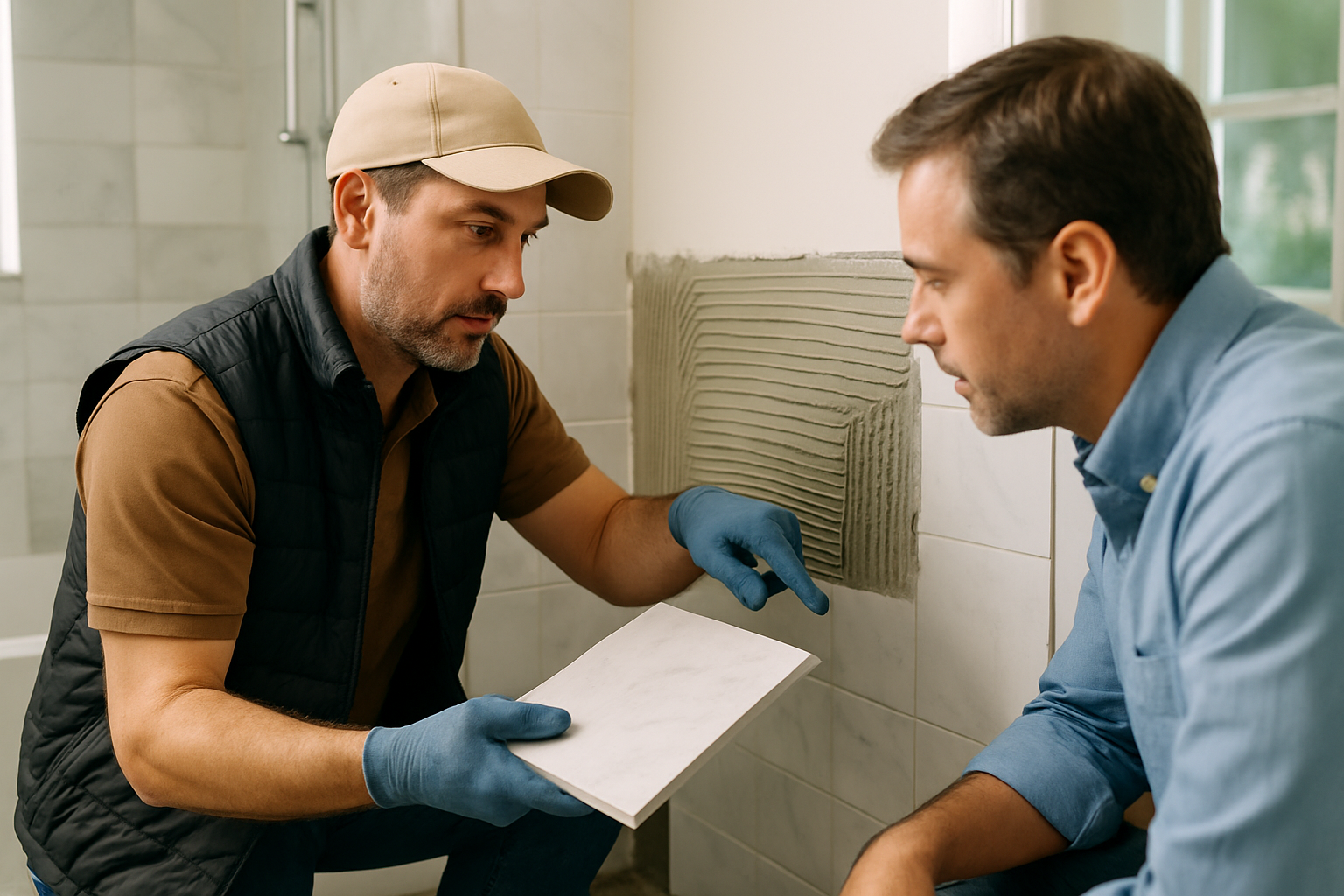
The first step involves assessing the current condition of your bathroom. This includes examining existing water damage, identifying vulnerable areas, and determining the best waterproofing solutions for your specific setup. Our experts will take the time to explain potential issues and recommend options tailored to your needs. This assessment is crucial for planning the proper waterproofing strategy.
Surface Preparation
Preparing the surfaces is essential for effective waterproofing. This step includes cleaning the walls and floors to remove any mold, mildew, or debris. If necessary, we may need to repair any cracks or damage to ensure a smooth, even application of waterproofing materials. Proper preparation enhances the adhesion of the waterproofing membrane, leading to better long-term results.
Application of Waterproofing Membrane
Applying the waterproofing membrane forms the core of the waterproofing process. This step involves applying a liquid membrane or sheet membrane to the surfaces, ensuring complete coverage of all areas, including corners and joints. Our team uses high-quality materials that are specifically designed to withstand the humid bathroom environment, providing a reliable barrier against water infiltration.
Sealing Joints and Fixtures
After applying the membrane, it's critical to seal joints, seams, and any fixtures (like drains and faucets) to prevent leaks. This step involves using caulk or specialized sealants to create a watertight seal around all edges and openings. Proper sealing ensures that there are no weak points where water can penetrate, safeguarding your bathroom against potential water damage.
Drying and Curing Time
Once the waterproofing materials have been applied, allowing sufficient drying and curing time is essential. This step can take anywhere from 24 to 72 hours, depending on the materials used and environmental conditions. During this phase, it is crucial to avoid any water exposure to ensure that the waterproofing barrier sets correctly and achieves maximum effectiveness.
Final Inspection
The final inspection is a vital step to ensure that the waterproofing has been applied correctly and is functioning as intended. Our team will conduct a thorough examination of the work, checking for any areas that may need additional attention. This step provides peace of mind that your bathroom is now effectively protected against water damage.
What to Expect & When
We believe in full transparency. Here's a realistic timeline so you can plan accordingly.
Planning
1-2 daysAssessing the bathroom, discussing options, and finalizing the waterproofing plan with the homeowner.
Preparation and Application
2-3 daysSurface preparation, applying waterproofing membrane, and sealing joints and fixtures.
Drying and Curing
1-3 daysAllowing sufficient time for materials to dry and cure, ensuring effective waterproofing.
Final Inspection
1 dayConducting a thorough inspection to confirm the waterproofing has been applied correctly.
How to Prepare
- Clear the bathroom of all personal items and fixtures to allow for easy access.
- Inspect for any existing water damage or mold and address these issues before waterproofing.
- Ensure proper ventilation during the waterproofing process to aid in drying.
- Consider scheduling the waterproofing during a dry season to facilitate curing.
- Have all necessary materials and tools on hand before starting the project.
Common Questions
Everything you need to know before we arrive.
What are the benefits of waterproofing my bathroom?
How long does the waterproofing process take?
Can I waterproof my bathroom myself?
What materials do you use for waterproofing?
How can I tell if my bathroom needs waterproofing?
Still have questions? We're happy to help.
Call (732) 724-1717Understanding Waterproofing Techniques
There are various waterproofing techniques used in bathrooms, each tailored to specific needs and conditions. Liquid membranes are popular due to their ease of application and flexibility, allowing them to conform to various shapes and sizes. Sheet membranes, on the other hand, are ideal for large areas and provide a robust barrier against moisture. It's essential to evaluate the specific requirements of your bathroom in Brick Township, NJ, considering factors like existing water issues, layout, and choice of finishes. Professional waterproofing services, like those offered by Bathroom Pros, utilize the most effective techniques to ensure your bathroom is adequately protected against water damage. Additionally, the choice of sealants and caulking materials plays a significant role in the waterproofing process. These materials must be compatible with the waterproofing membrane and designed for high-moisture environments. Proper application of these components ensures that all seams and joints are effectively sealed, preventing water from infiltrating through vulnerable areas. By understanding these techniques, homeowners can make informed decisions about their waterproofing needs.
The Importance of Maintenance After Waterproofing
Once your bathroom has been waterproofed, maintaining its integrity is crucial. Regular inspections and maintenance help to identify potential issues before they escalate into significant problems. Homeowners in Brick Township, NJ, should be aware of the common signs of waterproofing failure, such as mold growth or water stains, which may indicate that the waterproofing barrier has been compromised. Proper ventilation is also a key factor in maintaining a waterproof bathroom. Ensuring that your bathroom is well-ventilated helps to reduce humidity levels, preventing mold growth and prolonging the life of your waterproofing system. Additionally, regular cleaning and upkeep of fixtures and surfaces can help maintain the effectiveness of the waterproofing materials, ensuring they continue to protect your bathroom for years to come. By prioritizing maintenance, homeowners can enjoy a safe and functional bathroom that withstands the challenges of moisture and humidity.
Ready to Get Started with Bathroom Pros?
Our licensed technicians serve Brick Township and surrounding communities. Free estimates — no obligation.